Printable Number Tracing Worksheets - Free PDFs
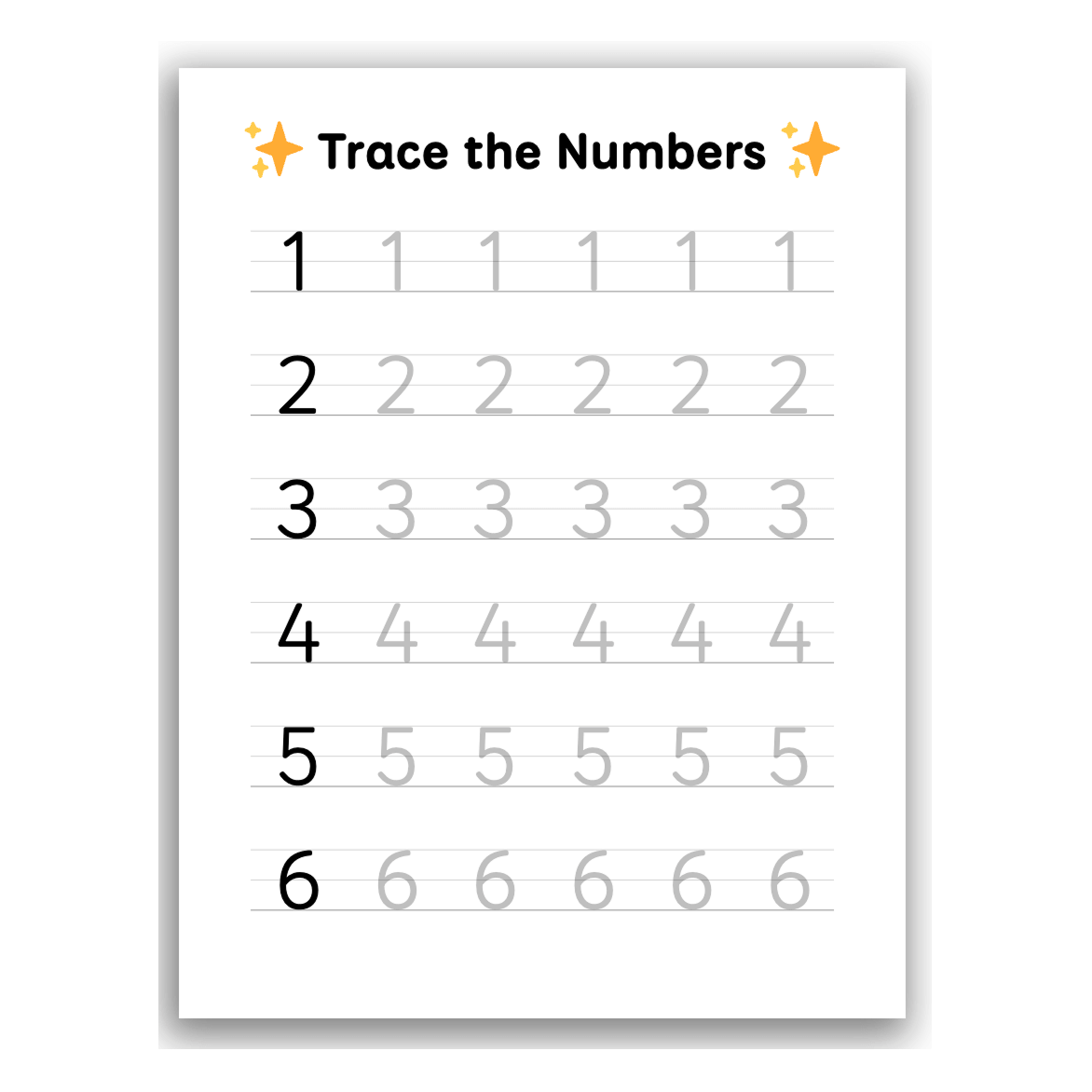
Here you can find free printable number tracing worksheets to use at home, preschool, kindergarten and school. These worksheets help children improve their handwriting skills and build a strong foundation for early maths. Number tracing practice helps children develop fine motor skills, build number recognition, learn correct number formation, and improve hand-eye coordination. Regular short practice sessions help children gain confidence with numbers before they move on to writing independently. No sign-up is required and all worksheets are completely free to use.

Number Tracing Worksheet List
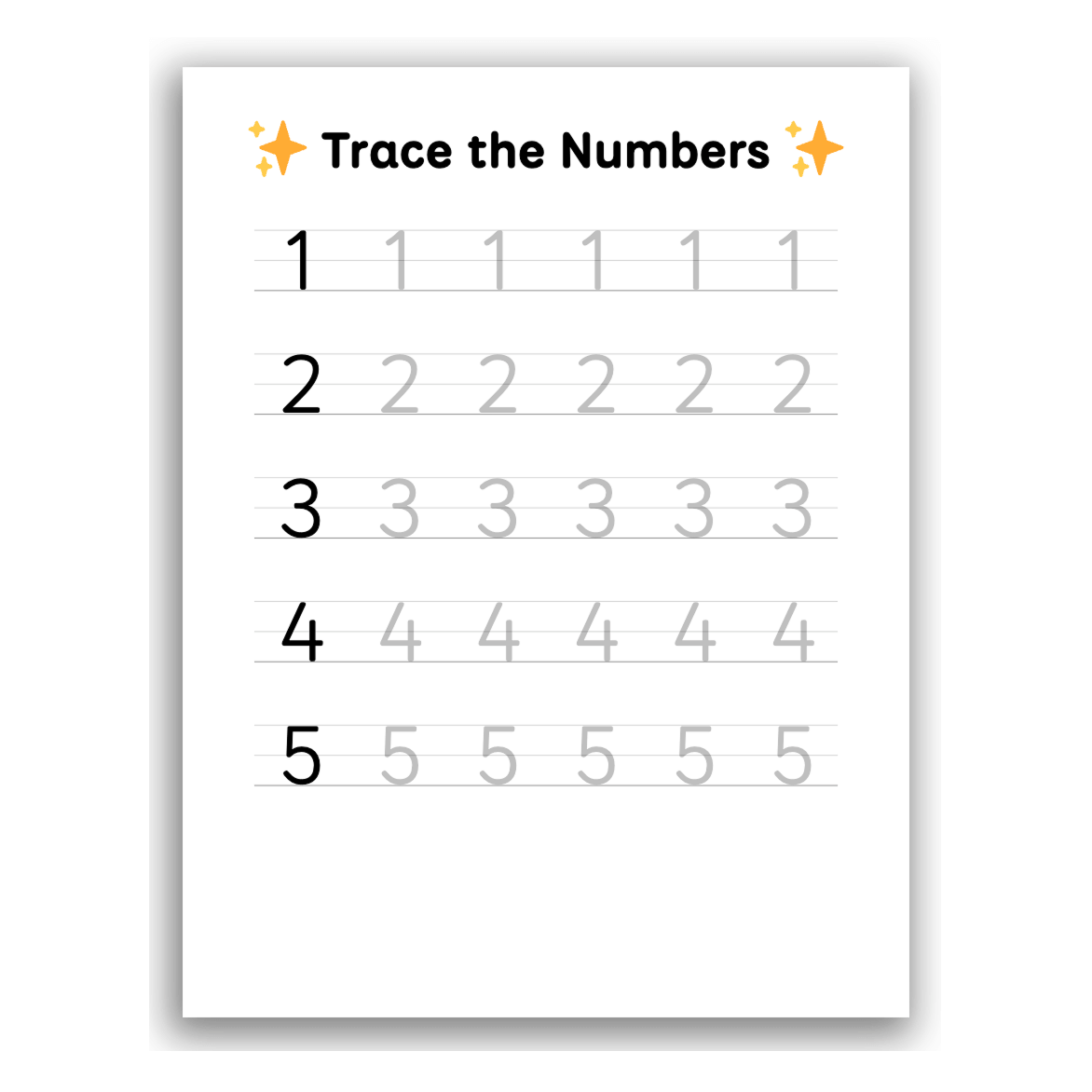
Number Tracing 1-5 Worksheets
Practice writing numbers 1-5 with our free number tracing worksheets. Perfect for younger children just beginning to learn numbers and handwriting.
Number Tracing 1-10 Worksheets
Practice writing numbers 1-10. Use the generator to customize your worksheets or download PDF worksheets.
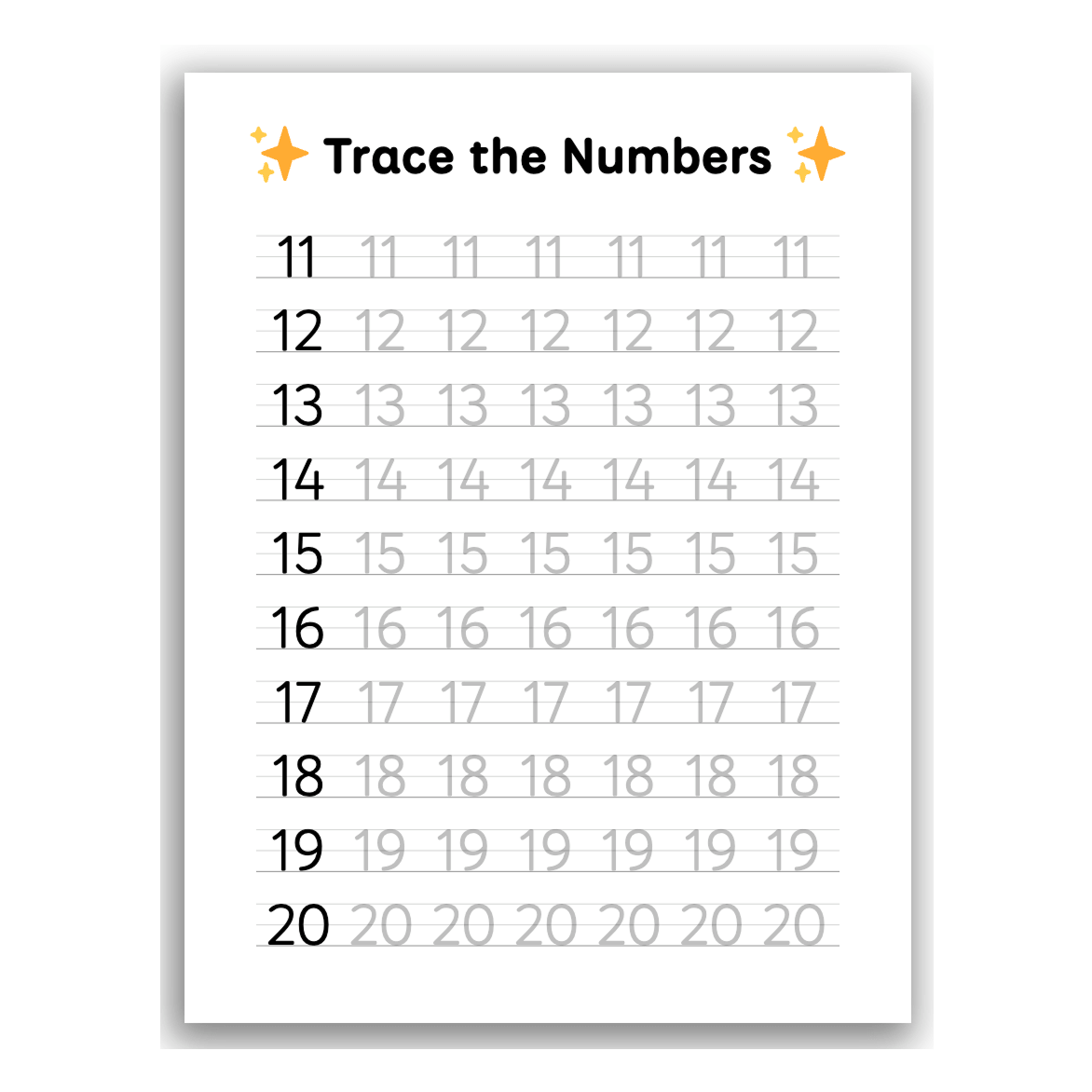
Number Tracing 1-20 Worksheets
Practice writing numbers 1-20. Great for children ready to practice the basic numbers from 1 to 20.
Number Tracing 1-50 Worksheets
Practice writing numbers 1-50. Ideal for children who have mastered 1-20 and are ready to extend their number writing skills.
Number Tracing 1-100 Worksheets
Practice writing numbers 1-100. A complete set of number tracing worksheets covering all numbers from 1 to 100.
Benefits of Number Tracing
- Develops fine motor skills - tracing requires using hand movements that strengthen the small muscles needed for writing and everyday tasks.
- Builds number recognition - repeatedly tracing each number helps children memorize its shape and distinguish it from similar-looking numbers.
- Creates correct muscle memory - guided tracing teaches children the proper stroke order and direction for each number before they write independently.
- Improves hand-eye coordination - following a tracing path trains the brain and hand to work together.
- Supports early math readiness - recognizing and writing numbers is a foundational skill for counting, addition, and other early maths concepts.
- Develops pencil grip and control - short tracing sessions build the ability to hold a pencil correctly and make controlled marks on the page.
- Builds confidence - completing a tracing worksheet gives children a clear sense of achievement and encourages continued practice.
For more information see the following studies:
Tips for Number Tracing Practice
- Use guide lines to help learners understand number height and spacing
- For repeated practice laminate your tracing worksheets and write with dry-erase markers
Number Tracing Worksheets FAQ
At what age should children start number tracing?
Most children are ready to start tracing between ages 3-5. At this age, they have usually developed enough skills to hold a pencil and follow tracing lines. However as every child develops at their own pace, check for signs they are ready like being able to hold crayons or pencils.
How often should children do tracing?
Around 5-10 minutes, 3-4 times per week is usually enough. Consistent, fun practice is often more effective than longer sessions.
Can I use tracing worksheets for preschool or kindergarten classroom activities?
Yes! The resources on Emoji Flashcards are free to use in classrooms. Number tracing worksheets are excellent for preschool and kindergarten classrooms. Teachers are free to use them as classroom activities or homework assignments.